

Listen on Apple Podcasts | Listen on Spotify
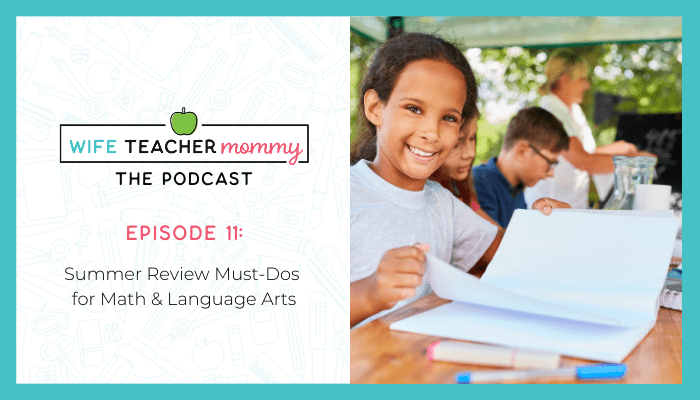
As summer approaches, parents and teachers alike often worry about the infamous “summer slide,” where students can lose valuable academic skills during the long break. In today’s episode, we explore fun and engaging strategies to keep kids learning without feeling like they’re stuck in a classroom. From reading challenges to creative writing prompts, we’ll cover a variety of activities that make learning enjoyable and effective. Let’s dive in!
Did you know that, according to the Summer Learning Association, an average student loses about two months of grade-level equivalency over the summer? That’s crazy, right? But by being proactive, we can combat the summer slide with simple strategies that keep kids learning without making them feel like they’re in school all summer long.
Reading is one of the most important things we can do to keep kids engaged during the summer. Here are three effective strategies:
For teachers, you can send home a summer reading challenge that includes various genres for students to explore.
When it comes to language arts, writing is a fantastic way to keep kids engaged:
Let’s not forget about math! Here are some fun ways to keep those skills sharp:
To recap, for reading, ensure kids have a variety of texts, encourage goal-setting, and promote reading together. For language arts, focus on summer-themed writing prompts, comic book writing, and grammar activities. And for math, keep it simple with quick daily reviews, math games, and engaging story problems.
If you’re looking for more resources, Club members can download our summer learning packets, reading challenges, and more from the member dashboard. Not a member? You can join us at wifeteachermommy.com/club or purchase individual resources tailored to your needs.
Thanks for tuning in, and I hope you find these summer review strategies helpful for your students or your own children. Let’s keep the learning going this summer!
Do you love Educate & Rejuvenate: The Podcast? Take our podcast quiz to get a personalized playlist of episodes you don’t want to miss!
I am so happy to be here today recording this episode, I have had so much fun with this podcast, it has been really fun to plan and record these episodes, I actually have months of content mapped out right now. It’s really fun and just such a fun way to connect with all of you. And I’m so glad that our listeners have been enjoying it too. And actually, we’ve had a few reviews on Apple that have just totally made my day and I just wanted to share a couple of those with you right now.
So the first one is from gauntlets234 and her review or his review not sure is called “To the Point the Little Pencil Emoji. And it says anything Wife Teacher Mommy does is to the point that efficiency is needed and welcomed. I have been able to listen to these podcasts while driving to work and I find it inspiring, I’m ready to start the day off on a positive note. And I’m so glad because that is really my goal with this podcast. And another review is from Nicknet079812. And it says amazing podcast. This podcast touches on many topics that as a teacher, I may not think of as essential to our children learning to their fullest potential. The resources mentioned are amazing and extremely helpful to close those gaps. The time of each podcast is also perfect for listening during my planning period, I will definitely continue to listen and implement all the club has to offer. These reviews just totally make my day. So if you have been enjoying this podcast and you haven’t left a review yet, I would love it if you could take just a minute to do that. Like I said, it totally makes my day and will bring a huge smile to my face. So if you’re able to do that, thank you in advance.
Okay, now let’s get to today’s episode. Did you know that according to the Summer Learning Association, an average student loses about two months of grade level equivalency over the summer. That’s crazy, right. But if you are aware of this and proactive, you can combat the summer slide with some simple strategies that will keep kids learning but not feeling like they’re learning all summer long. Because of course, the last thing I want is for kids to feel like they’re still doing hours of school all summer long. No kid wants that we all need a break for our mental health kids and their parents do absolutely 100% true. And that is why these strategies that I’ll be sharing today are able to be done in a reasonable amount of time. Plus, there are so much fun than just your average schoolwork as well. Any review or catch up I do with my kids during the summer must be fun and engaging and pack a powerful punch in a short amount of time. So whether you’re a teacher looking for great summer review ideas to send home so your students avoid the summer slump, or you’re a parent looking for engaging activities to do with your own kids, or both like me, this episode is for you. So today, we’ll be talking about reading, language arts, and math.
But I’m going to start with reading because I can’t stress enough that reading is one of the most important things we can do to keep kids actively engaged all summer. And it really is the most simple one to a few things I like to do with summer reading with kids, I really have three different things that I like to look at. So first is the variety of texts. Instead of having kids read the same type of books all summer, the kids could be reading a graphic novel one week and a biography about a cool scientist next week for some great variety. The great thing about offering a variety of texts is that it gives kids choices. Kids prefer to make their own decisions instead of being told what to read. So I can’t stress enough how important it is to help children learn to love reading. So no matter what book, there’s something to be learned from it. Allowing them to select their own texts makes it more exciting for them. And that’s the goal. So just make sure you provide a variety for them to choose from. So if you were a teacher, and you’re looking to send something home, you could send home a challenge that shares different types of books kids can read, and then the kids can pick the book that goes into each category.
Number two is setting their own reading goal. Goals can be really motivating for children, especially when you help them set their their own goals. This is very important. So as we discussed in the last engagement strategy, autonomy, which is the choices we give kids is a huge motivator for them. When children set reasonable goals for themselves, they will be more motivated to try and reach them. Just like a child’s favorite sport or video game, a reading challenge will give your students something to work towards. So this could be a summer reading program and a library or even a family challenge. And we actually have a super fun one that you can send home with your students, if you’re a teacher, or if you’re a parent, you can use it with your own children. So I will link to that in the show notes.
And then number three is reading together and asking comprehension questions when you do. So when children read with their families, it is a lot easier to create habits than if they’re reading on their own right, because if they have the accountability of reading with their mom or dad or grandparent, whoever, they kind of have that accountability built in there. You can read a book aloud with your children if you’re a parent. And this works very well for younger children. And if you have children at similar reading levels, or an only child, you could also choose a book that everyone in the family reads. And then you discuss that book as a family kind of like a little book club with your family. Another idea for parents is that if your children are at a variety of reading levels, you can set aside a time each day that everyone spends reading. So while everyone may be reading their own material, you were still reading together. So as a teacher, you just send home a letter with those tips on how to get families reading together. And a great way to do that, that makes it super easy peasy and hits all three of these things is to do a summer reading challenge. As I’ve mentioned, we have a summer reading challenge that comes with everything you need to implement a challenge. So if you’re a teacher, you can send it home with kids at the end of the school year. If you’re a parent, it’s super fun to do with your own family. It has a challenge chart for your kids to keep track of all the different books they’re reading, and all the different genres or categories. And the great thing is editable. So like I said, we want choices. So kids get to pick what categories they want to put in there, which is super cool. There’s also bookmarks, so they can use that bookmark as they read and even mark it off on their bookmark; we have a ready to go letter to send home, so you don’t have to put that together yourself. If you’re a teacher, it’s really a great resource to just make that super easy. So I will link to that in the show notes.
Next, let’s talk about language arts. Obviously, there are a few components to this. But one thing that you can do kind of like reading that is just so simple, that you can implement with hardly any materials is writing, just have them write, just like we talked about with reading, they can write about anything, they can pick that autonomy is really helpful for kids. And then while they’re doing this, you can also talk about their language and have them revise and correct any spelling and grammatical errors within their writing. Kind of like following the writing process. Because that also helps them remember you know, spelling, grammar, punctuation. It incorporates other areas of language arts too. And here are some fun ways that you can incorporate writing into the summer while making it feel fun in the summer. Like, really one way I like to do this is by having like summer themes for the writing. So for example, for narrative, the kids could write about a summer road trip and a family gets a flat tire. What happens next, you could kind of give them a prompt like that; or for informational they could write about how to build a sandcastle or how to not get a sunburn; or for opinion writing, you could have them say why this ice cream place is the best one to go to, or why whatever insert in the blank is the best summer activity.
And then the final one that I think is really fun, especially because right now I’ve been doing it with my own child Parker. He’s very into comic books. So comic book writing is so fun, because it doesn’t really feel like writing. They’re drawing lots of pictures, but just also great, but it gets kids writing without even realizing they’re doing it. So comic book writing is another idea that’s a lot of fun for the summer.
Some other activities you can do to kind of get even more into like the grammar and parts of speech or fill in the blanks and Mad Libs. My kids love these because they make really funny stories, they get a fill in the blanks, and then they just laugh a laugh as they read them to each other. And they will beg to do these like it doesn’t feel like work to them. So there are a lot of fun. When we have some of these in our summer sub plans or our summer homeschool lessons. Those are basically the same resource. They’re just either tailored towards teachers or towards parents. And if you’d like to practice even more of a grammar, having one sentence practice per day can also be manageable during the summer. In our summer learning packets, we have one practice sentence per day where they fix the mistakes in the sentence. And one sentence per day won’t take very long. And so they won’t feel like they’re being given a lot of work. Our summer learning packets cover all of this, all those ideas for the writing they came from those pockets that are so many more for each type of writing than I named. So make sure to check those out. If you want some easy summer review, some are learning to send home. If you do check them out. You will want to get the grade level that your kids or your students just completed. Okay, and now after the break we’re going to be talking about one of my favorite parts of summer learning summer math.
I am interrupting this episode for just a moment to let you know about our virtual event that I want to invite you to this summer is called Educate & Rejuvenate. You’ll be hearing from amazing speakers such as Bri Richardson from Honest Teacher Vibes. Amber Harper from Burned In Teacher, Bryce Sizemore from The Teaching Texan, Sara Marye from The Stellar teacher, Heidi and Emily from Second Story Window, Amy Nielsen from Planning Playtime, and so many more amazing speakers. And of course, yours truly class there will be bonus live segments with our presenters, group life coaching with Chrissy Nichols and even fitness classes to do with your teacher friends. And you’ll get all of this for just five bucks. That’s why I mean it when I say this is going to be the education event of the year because it is going to help you not only with your teaching, but to help you feel rejuvenated and ready to take on the next school year, head over to the shownotes or go to educateandrejuvenate.com to grab your ticket.
Okay, now let’s get into summer math. So there are a few things that I like to keep in mind with math. So the first one is to make it quick, because for a lot of students math is an overwhelming subject. And like we talked about before, anything that feels like school should be kept short during the summer. So a short one problem practice a day for quick math review is a great idea, because then you can keep all the skills from the school year sharp, so kind of like a spiral review, where they will have one problem each day, but it will help keep those skills sharp.
And then another great idea is to have one math fluency page per week, the math fluency will cover basic operations depending on grade level that may be counting, addition and subtraction, multiplication, division, etc. And that should only take a minute or two that you time to do that fluency sheet. So just a few minutes by doing those quick math reviews and fluency practice, will keep those skills sharp, but then kids can move on with their day.
And then another way to get even some more math and and kind of sneaking in is to make it fun. So one of the ways that my family likes to do this is with math games, we love board games in my house. So some that we have one of them is called the Sums in Space. And that is a great one for addition and subtraction. So for younger children. And it’s really fun, because there’s a space theme which all those younger kids really seem to like, then another one I really like is called Dino Tracks. And that one is for place value. And the cool thing about it is it is four digit place value goes all the way to the 1000s place. But you can differentiate it because you don’t have to use the hundreds or 1000s if you don’t want to. So it’s a great game that you can use to kind of differentiate with your family. And again, these are for if you’re doing it with your own kids, because as a teacher, you can’t send these games home and I have something for you in just a second. But I just want to name all these games because they could also be really fun ones for math centers for next school year too. Then another game that we love is called Eboo Time Telling game, that is actually the name of it. But it’s really fun, because it’s a board game where kids practice their telling time, and it’s just a super fun game that I highly recommend. And then the last one is called Add Sunday. And I think it’s like you know, because add some division. I don’t know, I’m not sure why it’s called that actually. But it’s a mental math game. So this one is great for older kids like ages eight to 12. It covers addition, subtraction, multiplication, and division. And it has differentiated options with a star ranking. And I have to admit, I actually haven’t tried this one yet. But it looked so intriguing to me that it actually should be delivered to me tomorrow. And I’m really excited to try it with Parker, because he’s getting a bit older and ready for a game like this. But again, like I said, if you are a teacher, you won’t be able to send all these games home, you can certainly grab them for your math centers. But what I would recommend is we have some great printable board games that you can grab. And they are in our fun summer themed resources. So if you grab our summer learning packets, or if you grab our summer homeschool plans, or summer sub plans, all of those include a summer themed board games. So you would just need to buy that resource one time or join the club. And then you’ll be able to print it out for all of your students and send it home if you would like.
Okay, now another fun idea is backwards story problems for math. These are really, really fun and really engaging. So basically what you do is you start I mean, it’s kind of like the name says you start with the answer. So you would just be okay. The answer to their problem is 17. And then they need to kind of work backwards, like okay, well what math problems would make 17 And they come up with different math problems, then they pick which one they want to do, then they’re like, okay, who are some characters that could be in this problem. So they could come up with different names, and then they put it all together like, Okay, what could be happening, then they create a story problem. And then they illustrate it; is just a really fun and backwards creative thinking activity that can help kids practice math, but in a more fun and engaging way. And it really doesn’t involve a lot of materials. We do have templates for backwards story problems in that summer learning resource that talks about but this is something you could do just on a scratch piece of paper too, so I highly recommend trying that out.
Another really fun idea for math and mental math skills are logic puzzles, and kids tend to find these really fun but they really only involve their critical thinking, which is so important for math. So here’s an example from our road trip activity packets. There’s a picture of a little license plate and it says this license plate has three letters in it. The last letter is a T, the middle letter is an A, the word is a type of pet, can you solve the word on the license plate. So they’re just kind of like logic. And really, these do tie into math because it’s that critical thinking skills. So those are super fun. And of course, there are fun activities such as Color by Number, etc, where kids get to color the pictures as they solve the problem. So those make math a lot more fun too. So basically, anything you can do to make math fun during the summer will be a major win.
Okay, so now let’s recap. So for reading, we want to make sure we have a variety of texts for kids to choose from and let them choose, have them make their own goal, and a Reading Challenge is a great way to do this. For writing involving summer themed topics like a family road trip, flat tire, or how to not get a sunburn. And then comic book writing is another great fun idea where kids don’t feel like they’re writing but they are. And then language arts have them correct the grammar in their writing, to fill in the blank madlib type activities to practice parts of speech, and then practice correcting one sentence each day. For math, we want to keep it simple, one review problem each day and a fluency passage page each week, we’ll keep skills sharp. Math review games are super fun. I named a bunch in this episode of board games that can be purchased if you are a parent, I will link to those in the show notes. I will create a new Amazon category for that. But also we have resources as well if you’re a teacher so you can print out and send those home. Backwards story problems are a great way to get kids thinking backwards logic puzzles and colors by numbers. All of those are super fun activities to use for summer review. Now the resources mentioned, if you are a Club member, you can download all of these by logging into your club member dashboard and just downloading them; we have so much available for summer learning and all of your club members are going to love these resources. If you’re not a Club member, you can certainly join us at wifeteachermommy.com/club, you’ll be able to download all of these or you can purchase the individual resources that have what you need. So the resources I mentioned during this episode are our summer learning packets, our Summer Reading Challenge, our summer sub plans, our summer homeschool lessons and our hitting the road road trip activity packs. And again, that was five resources. So it probably cost you less to just join us for a month and my wife mommy club did download all those if you were interested in those resources, but if you want to try our resources out first, we do have a summer learning sampler that I will link to in the show notes. And that is a great way to kind of get a feel for our resources and how they can help you. Okay, and that is it for today. I hope you enjoyed this episode. And then it gave you some great ideas on how you can use summer review, either sending it home for your students or doing it for your own children or both.
Being an educator is beyond a full-time job. Whether you’re a teacher or a homeschool parent, the everyday to-do list is endless. Between lesson planning, grading, meetings, and actually teaching, it probably feels impossible to show up for your students without dropping the ball in other areas of your life.
Wife Teacher Mommy: The Podcast is the show that will bring you the teacher tips, practical strategies, and inspiration that you need to relieve the stress and overwhelm of your day-to-day. Your host, Kelsey Sorenson, is a former teacher and substitute turned homeschool mom. Tune in weekly to hear Kelsey and her guests cheer you on and help you thrive as a wife, teacher, and mommy. Because with a little support and community, you can do it all. For access to every single Wife Teacher Mommy resource, join the club at educateandrejuvenate.com/club.


